Iran ties Hormuz reopening to wider terms
Commercial shipping traffic has fallen sharply while talks depend on conditions set by Iran.
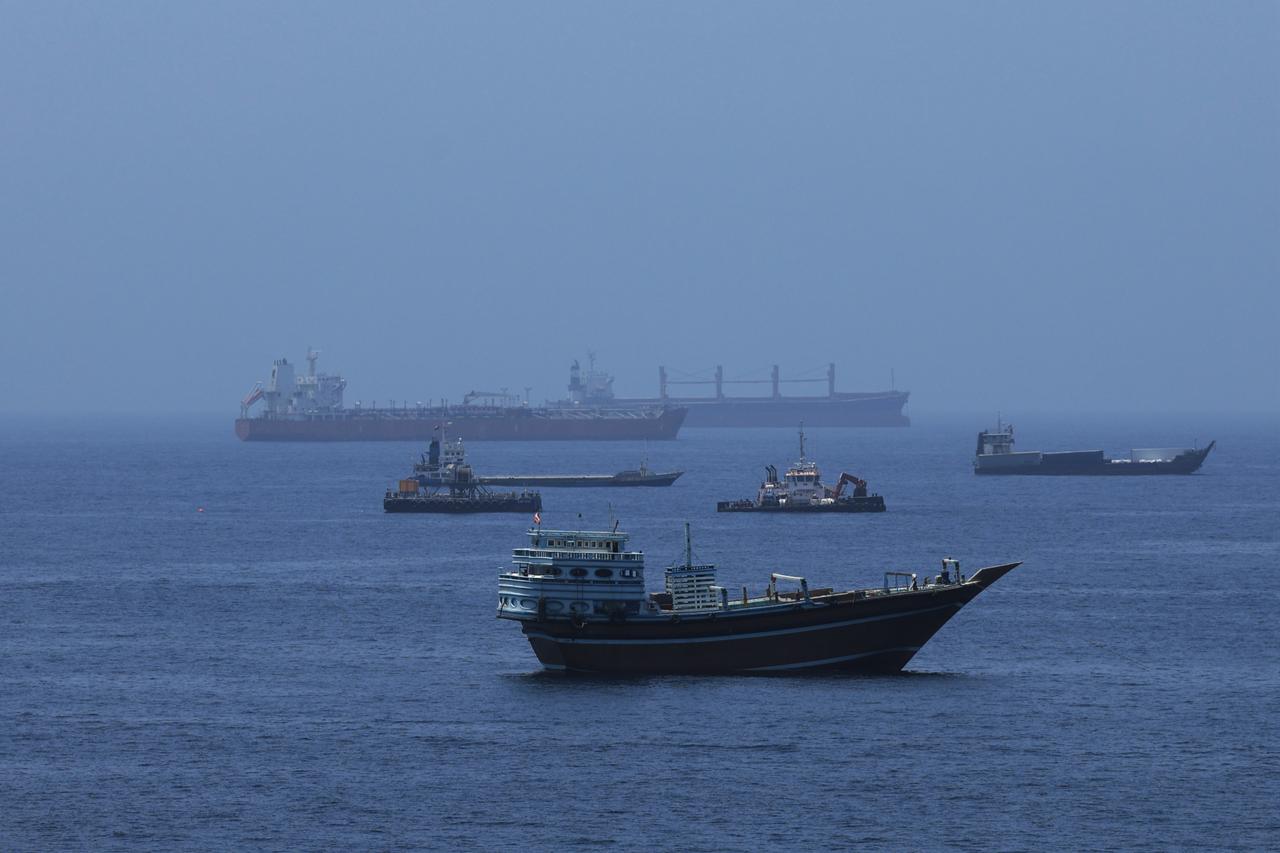
The Strait of Hormuz now hinges more on Iran’s wider terms than on a narrow asset-release bargain. Bloomingbit reported this week that Ghalibaf said the Strait would not return to its prewar status and that the issue was one of Iran’s conditions.
Commercial shipping traffic has fallen from approximately 85 vessels a day before the war to an average of seven currently, IOL reported this week. On those numbers, carriers, tanker owners and buyers of Gulf cargo are exposed less to a single reopening headline than to whether Iran’s conditions move.
The narrow bargain was disowned before Ghalibaf’s line. Tribune reported that an unnamed Iranian official told Fars News Agency on Monday that reports of talks to reopen the Strait of Hormuz in exchange for frozen assets were false.
Tehran’s stated position is broader than cash. Tribune reported that Iran has insisted the US must meet conditions set out in a June interim agreement before the Strait can reopen and negotiations resume. Türkiye Today also reported that a spokesperson said Iran would sign and implement only an agreement that fully protected its national interests and legal rights.
The diplomatic setting is still active. Trump said he planned to hold off on new military strikes against Iran after appeals from countries in the region, including from Qatar’s prime minister in White House talks, Tribune reported. Qatar also said it had received positive responses from both the US and Iran regarding mediation efforts. That makes the cash trade a weak guide to the Strait.
Iran’s published proposal is broader. Tribune reported that the proposal to end the war involved an end to the US blockade of its ports, the lifting of some sanctions and a halt to bombing in return for Tehran stopping its own blockade of the Strait of Hormuz. Talks on its nuclear programme and other sanctions would follow.
The earlier reopening also warns against treating a memorandum as a settlement. Almendron reported that Washington launched the operation in April, eased it after agreeing to the Memorandum of Understanding, or MoU, with Iran in June, and reinstated it on 14 July as the deal unravelled. A signed understanding was enough to reopen the Strait once; it was not enough to keep it open.
The security side of the record points the same way. Attacks on tankers in the Gulf and Strait of Hormuz ramped up sharply in October and have continued at the highest rate since the start of the war, figures from international maritime agencies showed last week, Tribune reported. Ship operators do not need a formal closure to face delay and rerouting risk.
IOL put the political condition in plainer commercial terms. For Iran, the message remains unchanged: there will be no return to normal shipping through the Strait of Hormuz without a broader agreement addressing its security and economic demands, the report said. In market terms, normal shipping remains conditional.
Qatar can point to movement. The same Tribune account said mediation efforts had drawn positive responses from both sides, while Trump’s stated pause in strikes reduced the immediate risk of another escalation. That does not erase Iran’s conditions, but it does show why a shipping rebound could come through diplomacy rather than surrender by either side.
Normal Shipping Remains Conditional
A household with a pension or broad stock index fund would feel this through trade disruption rather than through the wording of the statements. On the reported traffic fall, fewer ships through a major passage leave less room for a fast return to normal if the politics stalls.
The institutional exposure is more direct. Banks financing cargoes, insurers and shipping firms face a slower-moving market when tanker attacks continue and traffic stays depressed. If the Strait remains restricted, they face missed volume and the operating risk of moving through a passage where the political terms are unsettled.
The branch from here is simple. If mediation produces an agreement that sends traffic back toward pre-war levels, the claim that Hormuz has changed status weakens. If traffic stays near the current average while Tehran keeps normal shipping tied to a broader agreement, Ghalibaf’s line becomes a market condition rather than a speech line.
For the next month, the clearest test is the commercial shipping count through the Strait of Hormuz. A move back toward pre-war traffic would weaken Iran’s bargaining signal; another print around the current average would show the waterway still priced as a political condition.
What followsConditional research · not advice
From the storyQatar's reported positive responses and Trump's reported pause in strikes support a rival reading that mediation can reopen talks before the conditions are fully settled.1 link later: a hypothesisIf Iran maintains its conditions and they remain unmet, commercial shipping through the Strait of Hormuz may remain restricted despite continued mediation.
Why it is not the obvious read
The unexpected finding is that positive mediation signals may not lead to restored shipping: Iran has said reopening requires its wider conditions to be met.
Iran has insisted the US must meet seven conditions set out in a June interim agreement before the Strait of Hormuz can reopen and negotiations resume.
Iran wants the blockade lifted and its conditions met before it reopens and stops its attacks in the Strait.
AssumesIran continues to require its conditions to be met before reopening the Strait, and those conditions remain unmet.
BottleneckIf Iran maintains its conditions and they remain unmet, commercial shipping through the Strait of Hormuz may remain restricted despite continued mediation.
The bottleneck
Iran wants the blockade lifted and its conditions met before it reopens and stops its attacks in the Strait.
Who is exposed
On the reported fall in commercial shipping traffic, tanker attacks and unchanged message, carriers, tanker owners and buyers of Gulf cargo face more risk while normal shipping remains conditional.
What to watch, how long it must last, where it breaks
What to watch
- Link 1
Reports describe whether Iran's conditions have been met and whether commercial shipping through the Strait remains restricted.
How long it must last
- Link 1
In subsequent reports on mediation and commercial shipping through the Strait.
Where it breaks
- Link 1
Commercial shipping resumes while Iran's stated conditions remain unmet.
What would change it. Traffic moves back toward approximately 85 vessels a day before any broader agreement is announced.
The Last Time
June reopening that unraveled
What Rhymes
The earlier episode also tied reopening to a memorandum with Iran, then reversed when the deal unraveled.
What Is Different
The current record adds public Iranian conditions, a denial of a frozen-assets exchange and a reported fall in shipping traffic.
What It Means for the Forecast
That history suggests a reopening headline is weak unless traffic moves and the conditions stop binding the Strait.
Sources: almendron.com, Nov 11, 2026; turkiyetoday.com, Nov 9, 2026; com.pk, Nov 10, 2026; iol.co.za, Nov 11, 2026
Sources
Bloomingbit Nov. 11almendron.com Nov. 11turkiyetoday.com Nov. 9com.pk Nov. 10iol.co.za Nov. 11
25 statements, each tied to its sourceWhat each statement rests onHow ARCANE checks a story