Trump’s foreign policy could hurt Republicans in the midterms
Polls show disapproval of Trump’s handling of the war, but few voters expect to think about foreign policy when they cast their ballots.
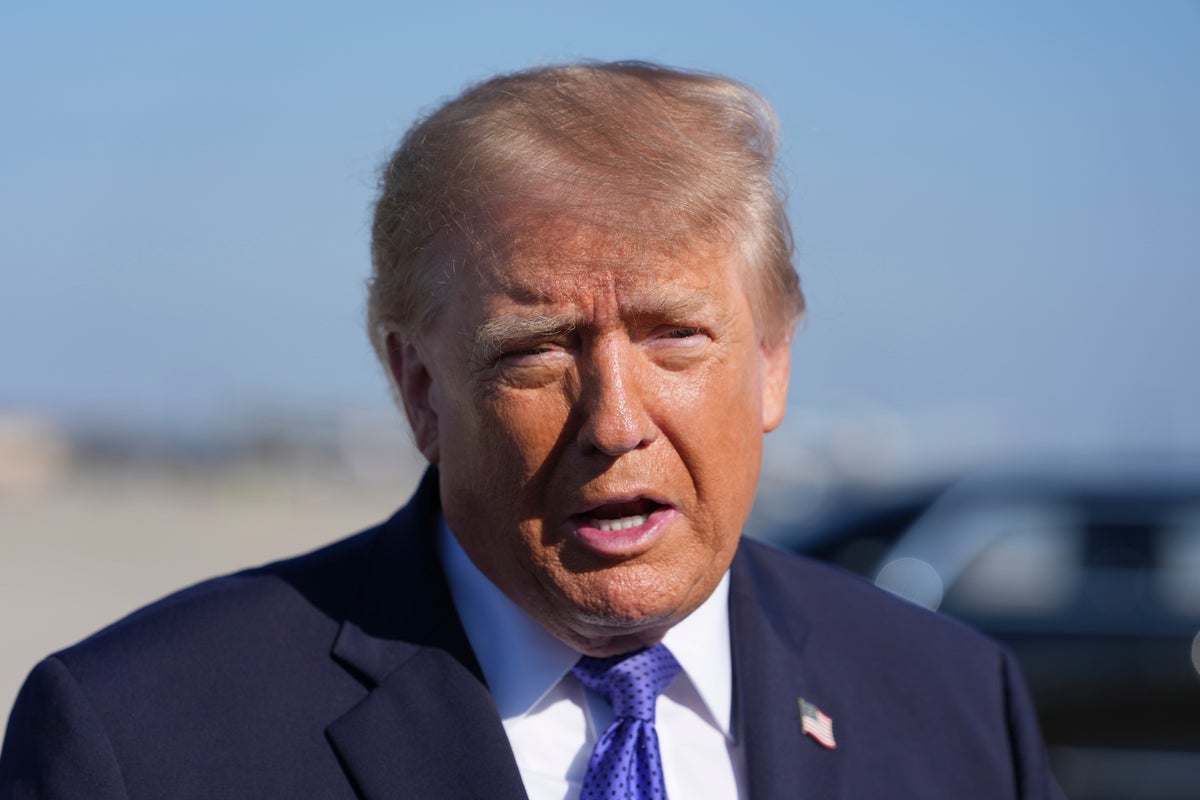
Trump’s latest move on Ukraine could hurt Republicans when Americans vote next week.
Polls have consistently shown voters’ disapproval of Trump’s handling of the war, the economy and inflation. In a survey by the Institute for Global Affairs, respondents said the Iran war had increased the cost of living. Yet very few voters will be thinking explicitly about foreign policy when they cast their ballots next week.
The Iran file now carries the largest economic shadow. The Iran war, launched with Israel in February, showed no sign of ending despite Trump’s early claim that it would be a short-term excursion ending in Tehran’s surrender. The same report said Trump had reportedly drawn up plans for renewed strikes after the midterms to break Iran’s grip on the strait of Hormuz, described as an energy choke point that had carried one-fifth of world energy supplies before Tehran closed it in response to attack.
A senior Democratic senator briefed on the proposed Iran war plan warned that the strategy could trigger a devastating escalation rather than bring the conflict to a swift end.
Ukraine adds a second test of confidence. The Trump administration denied it had stopped sharing intelligence this month as relations with Ukraine deteriorated, but Zelenskyy said his country received no advance warning from US intelligence networks of two Russian missile attack waves. The Guardian separately wrote that the administration suspended delivery of defensive missiles to Ukraine and early-warning intelligence of Russian attacks as Putin intensified bombing of Ukrainian cities.
The military risk is no longer theoretical: Iranian missiles severely damaged the Combined Air Operations Center at Al Udeid Air Base in Qatar early in the war. The Trump administration leaked highly classified intelligence to Fox News and Axios suggesting Iran had substantially increased efforts to target U.S. Attacks slowed or stopped after Trump said the United States would buy Russian diesel to bring down fuel prices before the midterm elections and called on Ukraine to stop striking Russian refineries.
India Tribune described the same turn in political language: Trump entered office promising to put America first, end costly foreign entanglements, secure better trade agreements and make other countries respect American power. It reported that Trump criticized Zelenskyy, urged Ukraine to stop attacking Russian energy infrastructure and temporarily eased certain restrictions affecting Russian fuel. Ukraine and its European supporters fear that those moves could weaken Kyiv’s bargaining position and reward Moscow without securing meaningful Russian concessions.
Foreign Policy Has Become a Price Story
The voting problem is visible in the price data voters say they feel. An analysis at theconversation.com cited a recent Institute for Global Affairs survey in which 81% of Americans said the war in Iran had increased the cost of living. The same analysis said YouGov respondents blamed gas-price increases on the war in Iran at 41%, Trump at 18% and war in general at 17%.
The rival reading earns a hearing because foreign policy rarely sits at the front of a ballot. The same theconversation.com analysis said the war in Iran barely registered as a top concern, with 2% putting it first, and that very few voters would be thinking explicitly about foreign policy when they entered polling booths across the United States. Yet it also cited a New York Times (NYT)/Siena survey giving Democrats a ten-point advantage over Republicans on which party voters trust to handle foreign wars.
The war’s economic impact has compounded the inflationary effects of Trump’s tariffs, affecting consumer-goods prices and raising manufacturers’ costs for imported raw materials such as steel, copper and aluminum.
Allies see a different price. globalaffairs.org reported this week that America’s allies are watching the US midterm elections closely and preparing for potential foreign policy shifts. It also said foreign policy does not drive elections, but the outcome would shape parts of the Trump administration’s approach to NATO and what it can and cannot do.
Congress can change the pressure but not take over the switch. The Guardian wrote this week that the American presidency largely runs foreign policy with little input from Congress. globalaffairs.org said allies were hopeful that a change in control of the House and Senate could change America’s support for Ukraine, while also warning that the White House would continue to have its finger on the button. On those accounts, a congressional result can constrain, fund or embarrass the executive, but it cannot run the war machine by itself.
Trump’s defenders have a coherent countercase. India Tribune wrote that they may argue that ending the conflict requires difficult compromises and that American taxpayers should not carry an indefinite financial burden. The same report said the administration’s handling of Ukraine may divide voters between those who oppose further American commitments and those who believe abandoning allies would damage US credibility.
Trump’s defenders may argue that ending the conflict requires difficult compromises and that American taxpayers should not carry an indefinite financial burden. Ukraine and its European supporters fear his moves could weaken Kyiv’s bargaining position without securing meaningful Russian concessions.
The exposure extends beyond the battlefield. Manufacturers using imported raw materials face the cost increases the Guardian described, while Ukraine and its European supporters fear a weaker bargaining position for Kyiv. Allies hope a change in Congress could alter US support for Ukraine, though the White House would retain the main foreign-policy switch.
The public measure to watch is not a battlefield map. It is whether surveys keep connecting Iran, gas prices, living costs and trust on foreign wars to Trump and Republicans. If YouGov-style gas answers and New York Times (NYT)/Siena-style trust measures move away from that link, the foreign-policy liability weakens; if they persist, the midterm result will read as a domestic verdict on wars abroad.
Polls have consistently shown voters’ disapproval of Trump’s handling of the war, the economy and inflation. Trump’s latest move on Ukraine could also hurt Republicans when Americans vote next week.
What would change it. Polls show approval of Trump’s handling of the war overtaking disapproval.
Sources
Guardian Oct. 30, Oct. 29theconversation.com Oct. 29ibtimes.co.uk Oct. 30globalaffairs.org Oct. 28theintercept.com Oct. 27indiatribune.com Oct. 27
36 statements, each tied to its sourceWhat each statement rests onHow ARCANE checks a story