IEA says Hormuz crisis threatens energy security
Consumers and governments carry the cost as buffers against energy shocks shrink.
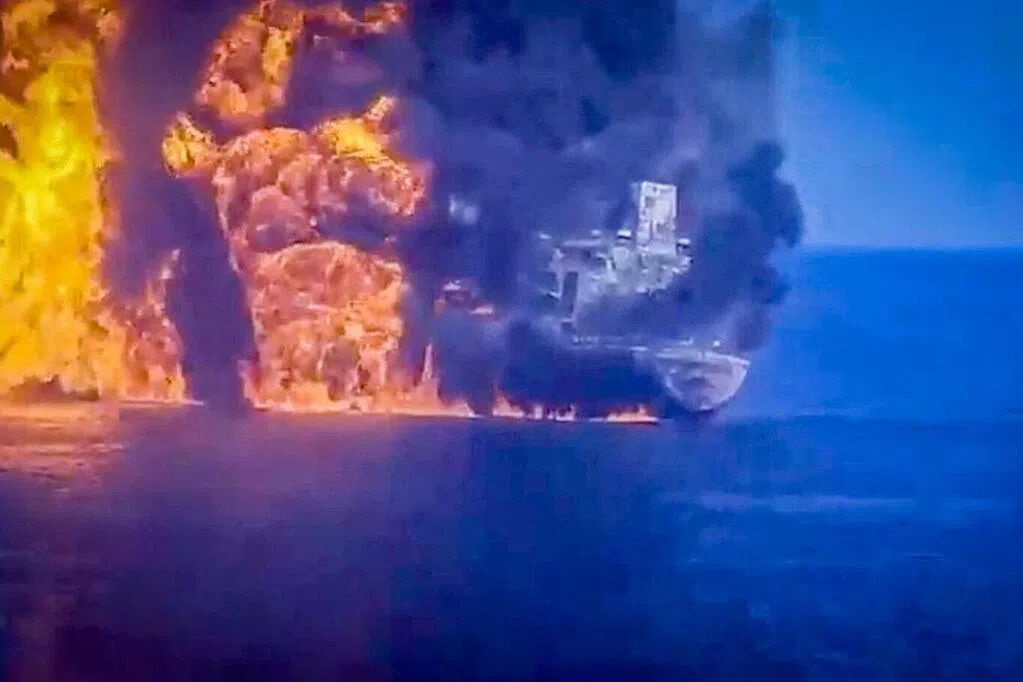
The IEA has turned the Strait of Hormuz crisis into a warning about buffers that are wearing out. Fatih Birol wrote in his foreword that the crisis has created “the largest threat to energy security in history,” France 24 reported on Thursday, “one that dwarfs the scale of the oil shocks of the 1970s.”
TRT World reported on Thursday that, in the annual World Energy Outlook, the agency said governments and energy producers were running out of ways to shield households, with higher prices and supply shortages becoming harder to contain. That puts the IEA's warning on household bills, not only on oil supply.
That language is costly for the agency's transition argument. TRT World reported on Thursday that governments and energy producers were running out of ways to shield households from higher prices and supply shortages. AOL reported that Laura Cozzi told The Associated Press that policies used to respond to energy security concerns were “very strongly aligned” with policies needed for energy transitions. That suggests the transition case now travels with a security shock that consumers are already feeling.
The record already includes one official backstop. AOL reported on Thursday that in March, the IEA coordinated the emergency release of 400 million barrels of crude oil stocks to stabilize global markets. A warning about dwindling cushions is sharper after a backstop of that size has already been used.
The report also added “two other scenarios based on what might happen if the Middle East crisis persists,” France 24 reported on Thursday. Scenarios are not proof of the path, but they show the agency is preparing readers for a longer contest over energy supplies.
The less alarming case has its own evidence. Birol said in a press release on Thursday, “While the energy sector and the global economy have shown considerable resilience, the longer the crisis lasts, the deeper the effects will be.” That sentence concedes that the system has absorbed part of the shock; the dispute is over duration.
Zaobao reported on Thursday that AFP said consumers are increasingly bearing the cost as options for cushioning the conflict's impact on energy supplies dwindle. TRT World reported on Thursday that higher prices and supply shortages were becoming increasingly difficult to contain. For a household, that pressure would appear in energy bills and shortages rather than in the agency's phrasing.
AOL reported on Thursday that the IEA projects the Middle East will remain the world's largest oil exporter while nations reduce dependence on the Strait of Hormuz. AOL also reported that solar and nuclear power are the “biggest beneficiaries” of governments prioritizing domestic energy sources, while coal may be a fallback option. That makes domestic supply the political hedge: solar and nuclear gain when governments want local sources, while coal remains available if security worries overtake the transition route.
The next public IEA update is the practical test. Confirmation is another statement that consumers bear more cost as cushioning options dwindle; a break would be evidence that governments and producers can again shield households.
What would change it. The warning breaks if the IEA says governments and energy producers can again shield households and contain higher prices and shortages.
Sources
France 24 Nov. 19trtworld.com Nov. 19AOL Nov. 19zaobao.com.sg Nov. 19
15 statements, each tied to its sourceWhat each statement rests onHow ARCANE checks a story