Lagarde hands her successor a harder ECB test
Markets have priced more tightening while Europe’s bond markets and ECB appointments put the next president under pressure.
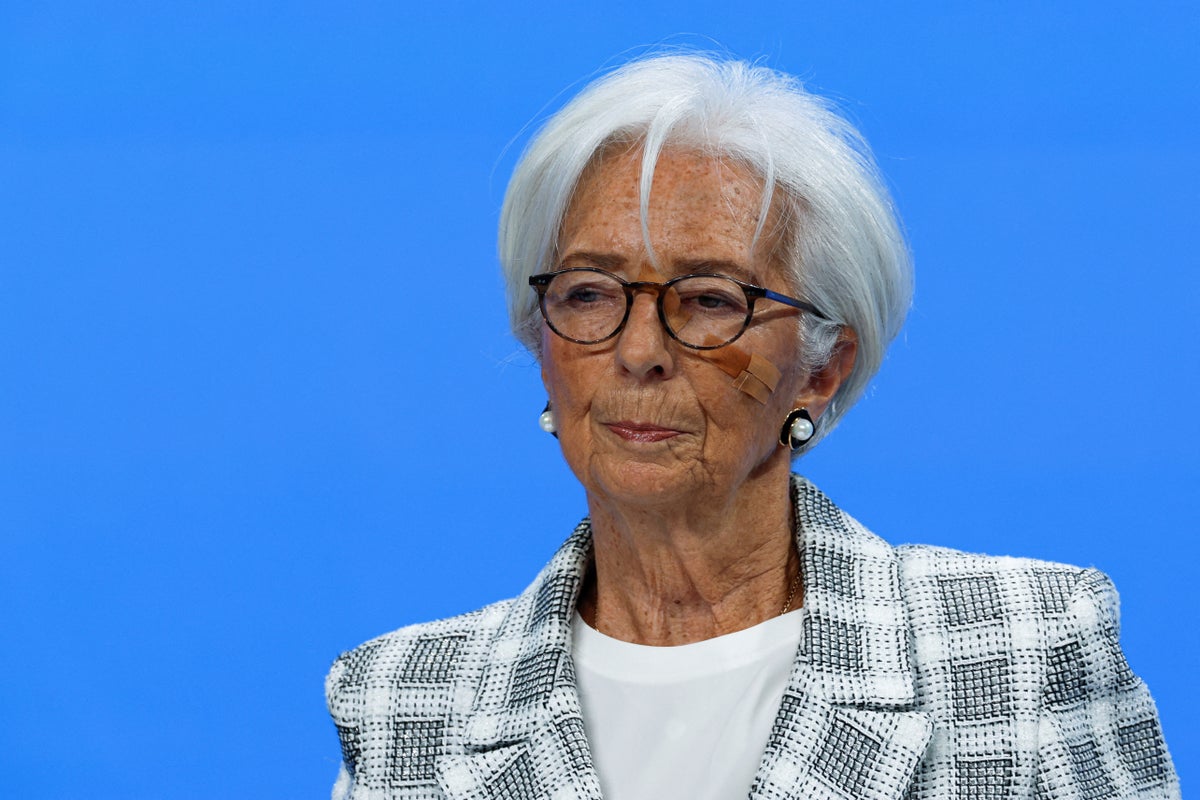
Christine Lagarde told a press conference after the ECB's policy decision, "I don't think that I can remain neutral," AOL reported on Oct. 28. A rate hold normally asks a central banker to sound patient; this was a president explaining why she would leave before the hardest part of the job.
The European Central Bank left interest rates unchanged hours after Lagarde said she would step down early. Reuters reported the same day that the ECB warned inflation risks were rising because of surging energy costs, a message that could strengthen market bets on a December hike. The hold is not the quiet part of the story. The handoff is.
FXStreet reported Thursday that Lagarde said energy prices had risen beyond baseline while most gauges of long-term inflation expectations were near 2%. That pairing matters because it lets the ECB avoid an immediate move while refusing to bless an easier path. The bank can stand still and still make the next decision harder.
Marchel Alexandrovich of Saltmarsh Economics said the ECB left rates unchanged as expected but signalled that a December rate hike was firmly in play. That suggests the central bank is leaving room to respond to inflation without raising rates yet.
“As expected, the ECB leaves rates unchanged at today’s meeting, but signals that a rate hike in December is firmly in play, citing upside risks to the inflation outlook”
Lagarde will step down on February 7, giving EU leaders time to pick her successor before a French presidential election in which Marine Le Pen is favoured in polls. That calendar gives governments a reason to move fast. It also gives markets a reason to ask whether the next president is chosen for credibility, politics or both.
A South African publication reported Thursday that European Council president Antonio Costa said the search for Lagarde’s successor would begin immediately. It also reported that the appointment is likely to be part of a wider package involving Isabel Schnabel’s executive board seat and Philip Lane’s chief economist role. The reshuffle would change the people who explain policy, frame forecasts and calm markets when borrowing costs move.
Politico reported Thursday that Schnabel is due to leave the Bank’s markets department for the International Monetary Fund, while Lane is due to depart the chief economist’s post. When the markets voice and the economics voice change near the top, the next president inherits more than a title. The successor inherits the burden of making old tools sound reliable under new speakers.
The Price Is the Signal
Money markets are pricing another series of ECB rate increases by the end of next year, taking the deposit rate to 3.25%, a level widely seen as restricting economic growth. For a household with savings or floating-rate debt, that path raises the sensitivity of income and payments to the central bank’s words. For growth-linked assets, the same path leaves less room for relief.
Politico reported Thursday that whoever follows Lagarde will inherit tense conditions in Europe’s bond markets, with borrowing costs at their highest level in years because of war-fueled inflation, demographics and competition for capital from Big Tech companies chasing AI-related riches. That is where the succession becomes a market issue rather than an inside appointment.
Reuters, in the report carried by wmbdradio.com, quoted an analyst saying the change at the top was not expected to alter the near-term rate outlook, but that markets would watch the succession as pressure on French government debt persisted and candidates differed on non-standard policy tools such as the transmission protection instrument. Institutions holding European government debt therefore face a test of tone as much as a test of rates.
The political cost of the departure was plain. Markus Ferber of the European People’s Party said Lagarde’s early resignation sent "the wrong signal" given high inflation, nervous bond markets and looming elections. AOL also reported his warning that any impression of a departure timed around national elections could damage trust in an institution meant to stand above domestic calculation.
AOL reported that Le Pen wants to discuss the ECB’s role and, if elected, would seek central bank intervention to ease France’s interest rate burden. That does not mean the ECB will bend. It means the next president may start under public pressure to prove that bond-market support is governed by rules, not by national politics.
The countercase is real because markets did not behave as if the resignation broke the institution. Financial markets showed little reaction to the announcement, with analysts saying the ECB had built a reputation that outlived any leader. The euro edged higher after the European Central Bank kept rates unchanged while the dollar eased against most major currencies.
AOL reported that Danske Bank economist Piet Haines Christiansen said the rumoured successors were competent, well established central bankers, so for markets it would not matter too much. That is the best argument against treating the succession as a shock. If the institution already owns the reaction function, personalities should change the accent, not the sentence.
Yet the reports also show why a calm first reaction is not enough to settle the issue. Reuters reported on Oct. 29 that the ECB’s energy warning could strengthen expectations of a December rate hike. Politico reported pressure in Europe’s bond markets. A successor can inherit a respected institution and still face a worse starting position.
The next public test is not whether Lagarde’s replacement is famous enough. It is whether money markets keep pricing ECB increases as the succession process begins and as French government debt remains under pressure. If they do, neutrality will have been the first thing Lagarde gave up, not the last constraint her successor faces.
What would change it. The read breaks if money-market pricing moves away from ECB increases and financial markets keep showing little reaction to the leadership change.
Sources
aol.co.uk Oct. 28WSJ Oct. 29wmbdradio.com Oct. 29FXStreet Oct. 29businessday.co.za Oct. 29Politico Europe Oct. 29channelnewsasia.com Oct. 29
33 statements, each tied to its sourceWhat each statement rests onHow ARCANE checks a story